How Traffic Patterns Impact Pavement Wear
When asphalt begins to fail, many property owners assume age or weather is to blame. While both play a role, one of the most influential and often overlooked factors is traffic pattern behavior.
This is not just about how many vehicles use a surface; where they drive, stop, turn, and idle can dramatically affect how pavement wears over time.
Understanding traffic patterns is key to designing, maintaining, and protecting asphalt surfaces on commercial properties, industrial sites, and municipal roadways.
Traffic Patterns vs. Traffic Volume
It's easy to assume that higher traffic volume automatically means faster deterioration. In reality, concentrated stress causes more damage than evenly distributed use.
Asphalt tends to fail first in areas where vehicles repeatedly linger.
- Stop and start
- Turn at low speeds
- Idle under heavy loads
- Follow the same path day after day
These repetitive movements place ongoing stress on the surface and underlying base layers. Over time, even well-constructed pavement can break down prematurely if traffic patterns aren't accounted for in design and maintenance.
Common High-Stress Areas in Commercial Parking Lots
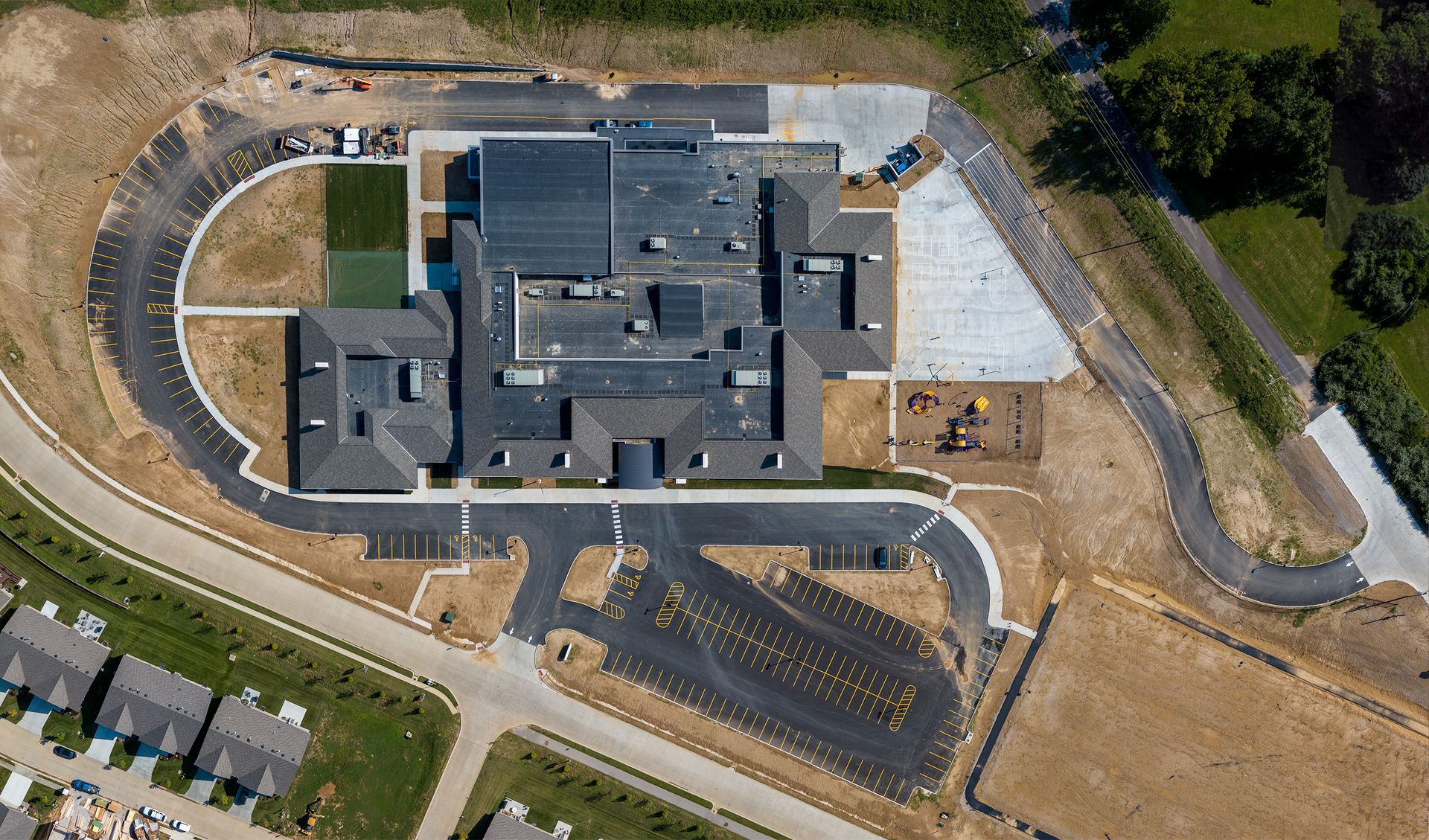
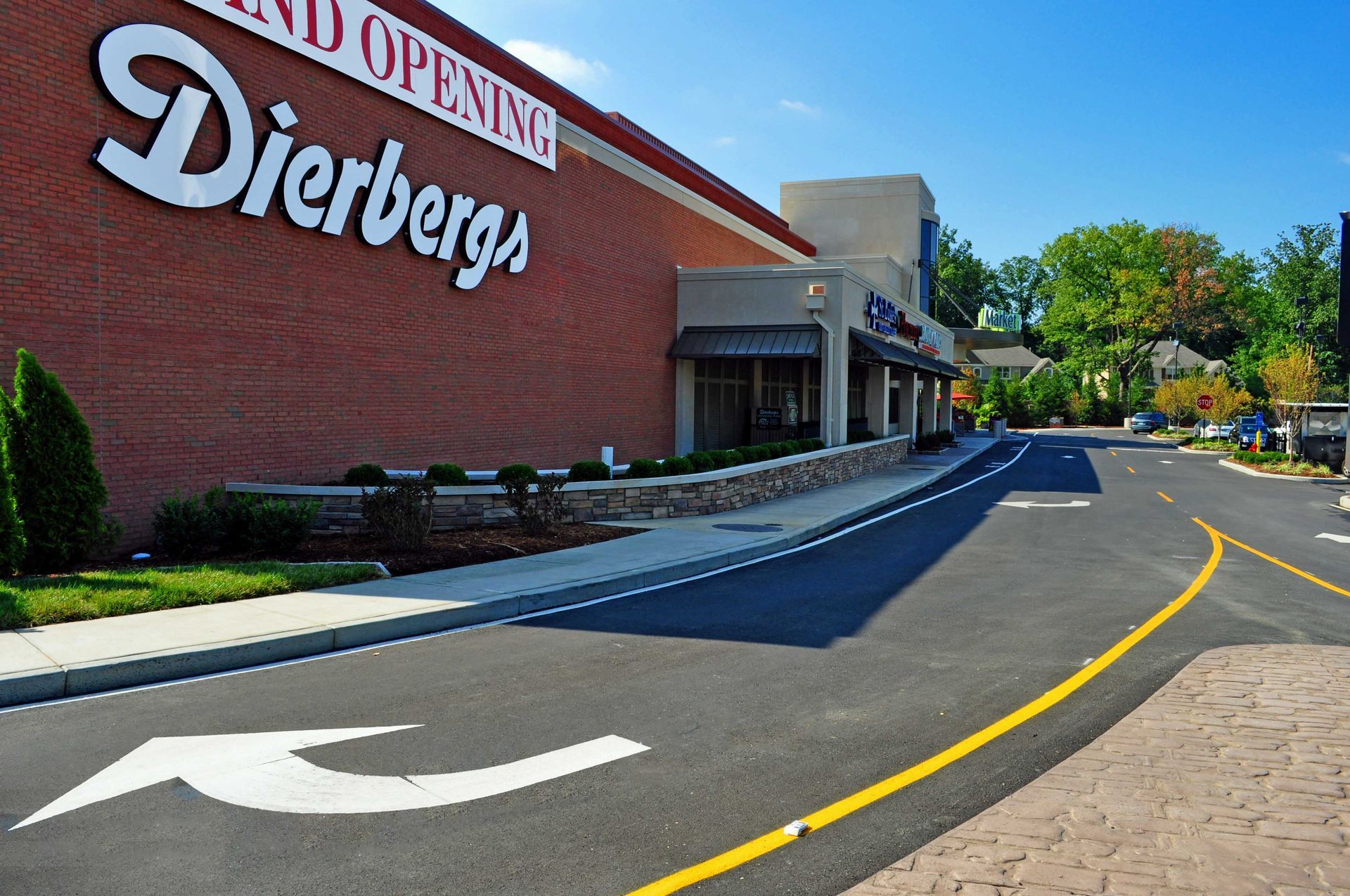
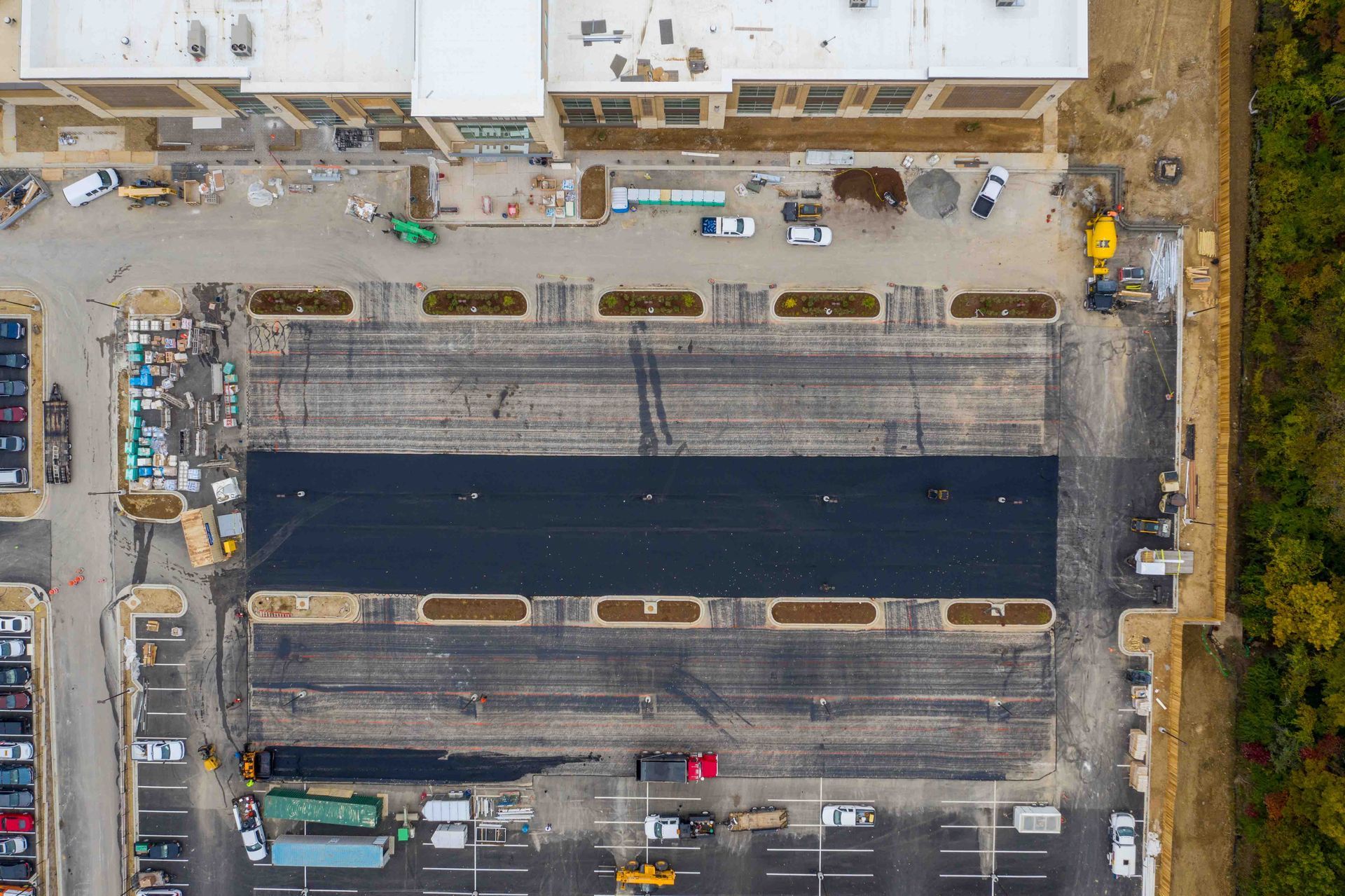
Retail and commercial parking lots experience predictable wear patterns. Some areas almost always show distress before others:
- Entrances and exits, where vehicles brake, accelerate, and turn sharply
- Fire lanes and main drive aisles, which carry consistent traffic flow
- Parking areas closest to storefronts, where turnover is highest
Delivery trucks, service vehicles, and waste collection equipment further increase stress. Their weight and turning movements can cause surface scuffing, cracking, and eventual structural failure if pavement sections aren't designed to handle that use.
Industrial and Warehouse Traffic: Heavy Loads, Slow Movement
Industrial facilities and distribution centers introduce an entirely different set of challenges. Unlike passenger vehicles, these properties see frequent traffic from:
- Semi-trucks and box trucks
- Yard trucks and service vehicles
- Repeated loading and unloading operations
High-stress zones typically include loading docks, staging lanes, and truck-queuing areas. Slow-moving, heavily loaded vehicles exert intense pressure over extended periods, leading to rutting, surface deformation, and fatigue in the base layers below the asphalt.
If pavement thickness and base design don't match real-world usage, damage can accelerate, often requiring full-depth repairs sooner than expected.
Pavement Wear at Airports and Transportation Facilities
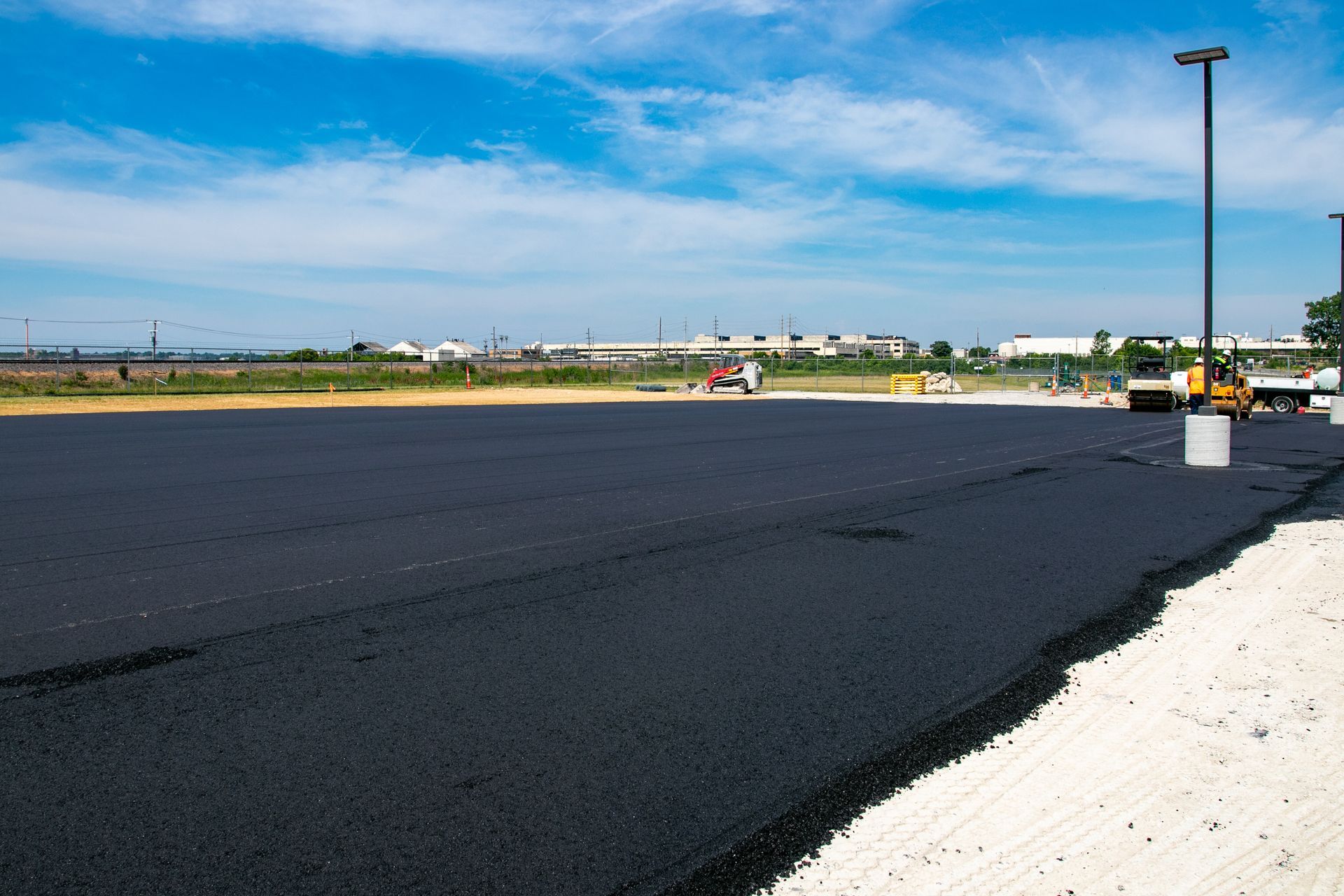
Airport pavement systems face unique demands. Ground support equipment follows highly repetitive paths, often along the same wheel tracks multiple times per day.
Frequent stopping, turning, and idling, combined with equipment weight, concentrates stress in narrow zones.
Additionally, fuel spills and hydraulic fluids can weaken asphalt surfaces if not properly addressed. Because these facilities are high-visibility and safety-critical, pavement performance and maintenance timing are especially important.
Designing pavement to accommodate these patterns helps reduce premature surface failure and minimizes operational disruptions.
Municipal Roads and Access Routes
Municipal streets and access roads may not experience extreme loads, but they are exposed to consistent, long-term traffic repetition. Buses, service vehicles, and commercial traffic often follow identical routes every day for years.
Intersections, turning lanes, and areas near commercial entrances experience increased stress from braking and turning.
Over time, these repeated forces lead to cracking, surface wear, and structural weakening, especially if drainage or base conditions are less than ideal.
Designing Pavement for How It's Actually Used
One of the most effective ways to extend pavement life is to design and plan based on real traffic behavior rather than assumptions.
- Reinforcing pavement sections in known high-stress areas
- Adjusting traffic flow to reduce sharp turns or bottlenecks
- Increasing pavement thickness where heavy or repetitive loads are expected
- Improving drainage to prevent water from accelerating wear
Smart design spreads stress more evenly across the surface, reducing the likelihood of early failure.
Maintenance Strategies for High-Traffic Areas
Even well-designed pavement requires ongoing care, especially in high-use zones. Targeted maintenance plays a critical role in longevity.
Key Strategies
- Sealing cracks or inconsistencies before water infiltrates the pavement structure
- Prompt repairs in loading and turning areas
- Routine inspections focused on known stress points
Addressing problems early in high-traffic areas helps prevent localized damage from spreading into larger, more expensive repairs.
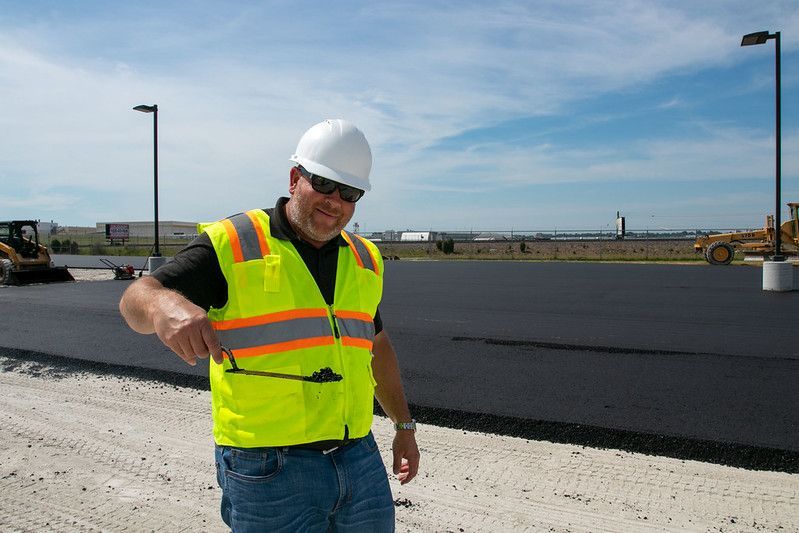
Build Pavement That Works as Hard as Your Property Does
Asphalt performs best when it's designed, built, and maintained with traffic patterns in mind.
Whether it's a retail parking lot, industrial facility, airport, or municipal roadway, understanding how vehicles move across your surface allows you to protect your investment, improve safety, and reduce long-term costs.
If your pavement shows signs of early wear, or you're planning a new project, it may be time to take a closer look at how traffic is affecting your site.
Our Leritz Busy Bee team of asphalt paving experts considers all these factors when planning your commercial paving project.
We have decades of experience working across Greater St. Louis on all types of commercial paving projects and bring the expertise and execution you need to exceed your project expectations.
(Please note that we are a commercial asphalt paver and do not do residential projects.)
Give the
Leritz Busy Bee team a
call today to discuss your pavement needs and find the right solution for your property.