Can Asphalt Be Repaired During the Winter?
Winter can be hard on asphalt. As temperatures drop and freezing weather sets in, existing cracks and potholes can become more noticeable.
If you manage a commercial parking lot, roadway, or other paved property, you may wonder whether you have to live with the damage until spring.
The answer depends on the type of damage, weather conditions, and repair method.
Some asphalt repairs can be completed during the winter, particularly when you need to address an immediate safety or accessibility concern. However, cold weather can limit your options for permanent repairs.
Understanding the difference can help you decide what needs attention now and what may be better scheduled for warmer weather.
Why Does Cold Weather Make Asphalt Repair More Difficult?
Temperature affects asphalt throughout its service life, including during installation and repair. The Federal Highway Administration notes that asphalt pavement properties are strongly influenced by temperatures.
Hot-mix asphalt needs to remain hot enough for crews to place and compact it properly. Once temperatures drop, the material loses heat more quickly. Cold pavement surfaces and wind can speed up that process even further, reducing the time crews have to achieve proper compaction.
That matters because poor compaction can lead to weaker pavement and premature deterioration.
The conditions underneath the repair matter too. Frozen or saturated ground can prevent crews from creating the stable foundation needed for quality asphalt work.
For that reason, winter asphalt repair is not as simple as looking at the outdoor temperature and deciding whether it is warm enough.
Can Potholes Be Repaired in the Winter?
Yes, potholes can sometimes be repaired during winter.
When a pothole poses a safety concern or begins to interfere with traffic, waiting several months may not be practical. Temporary patching materials can help stabilize damaged areas until conditions improve enough for a more permanent repair.
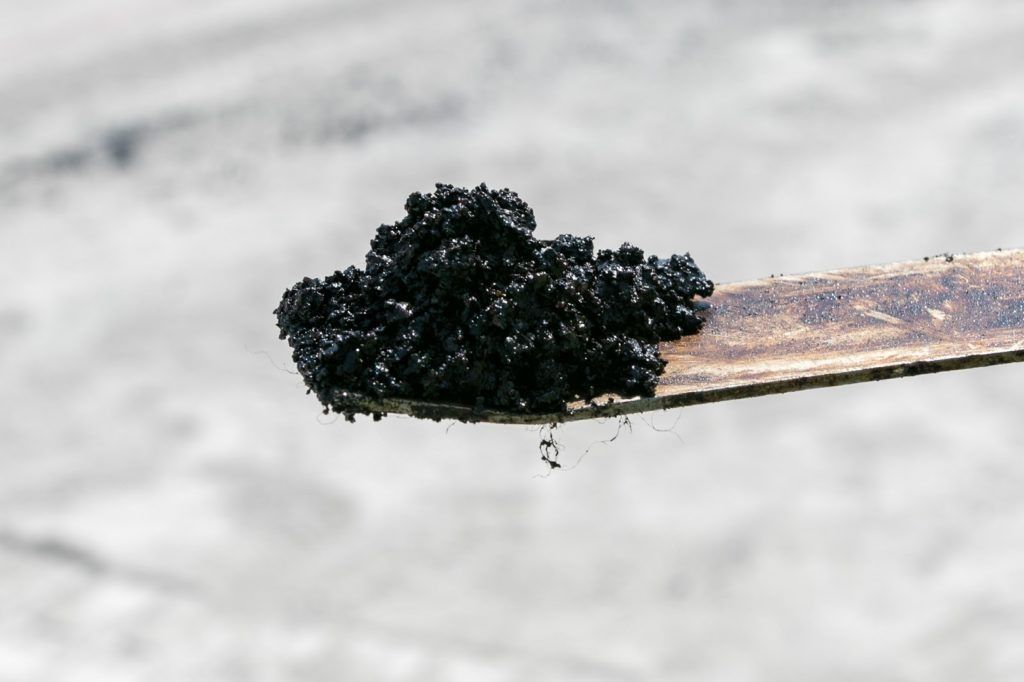
Cold patch asphalt is one option used for winter and emergency repairs when conditions are not suitable for traditional hot-mix paving.
The important thing to understand is that a winter patch may serve a different purpose than a permanent repair.
A temporary repair can:
- Fill a dangerous pothole
- Improve the driving surface
- Reduce an immediate trip or vehicle hazard
- Help limit additional deterioration
- Buy time until permanent repairs can be completed
Once warmer weather returns, you should have temporary repairs evaluated to determine whether additional work is necessary.
Should You Repair Asphalt Cracks During Winter?
Cracks become especially important during freezing weather because they create openings through which water can enter the pavement.
As temperatures fall, moisture within and beneath the pavement can freeze, contributing to pavement stress. Repeated temperature changes can make existing pavement problems worse over time.
However, that does not mean every crack should automatically be sealed on a freezing winter day. Crack repair materials have their own application requirements, and moisture, pavement temperature, and weather conditions can affect their performance.
Instead, have significant cracking inspected and determine the best course of action based on current conditions
If permanent crack sealing needs to wait, identifying the problem now still gives you the opportunity to include it in your spring maintenance plan.
When Should an Asphalt Repair Wait Until Spring?
Even if permanent paving has to wait, winter is not the time to ignore your parking lot.
Walk the property regularly and look for changes throughout the season.
Pay attention to:
- Potholes that are growing larger
- New or widening cracks
- Standing water
- Areas where pavement is breaking apart
- Depressions or uneven pavement
- Loose asphalt around existing repairs
- Damage near drains or curbs
- Areas that could create trip hazards
Photographing problem areas can also help you track how quickly the pavement changes during winter.
If a small area becomes significantly worse between December and February, that information can help your paving contractor determine what may be happening beneath the surface.
Temporary Repair or Permanent Repair?
The right solution depends on what you are trying to accomplish.
If you have a pothole in a heavily traveled area that creates an immediate problem, a temporary winter patch may make sense. If you have widespread cracking, structural deterioration, or a parking lot nearing the end of its service life, repeatedly patching individual areas might not solve the underlying problem.
This is why a professional pavement evaluation can be helpful.
A paving contractor can look at the extent of the damage, pavement condition, weather, drainage, traffic, and other factors before recommending whether you should:
- Make an immediate temporary repair
- Complete a permanent repair when conditions allow
- Patch a specific area
- Resurface the pavement
- Plan for complete replacement
The goal should not simply be to cover the damaged area. You want to choose a repair strategy that makes sense for the pavement's condition.
Use Winter to Plan for Spring Asphalt Repairs
Winter may limit some paving work, but it gives you a useful opportunity to evaluate your property.
Instead of waiting until the first warm day of spring to start thinking about pavement, inspect you parking lot throughout the winter. Make a list of potholes, cracks, drainage problems, and deteriorating areas.
Then you can start planning repairs before spring paving schedules begin filling up.
This approach also gives you time to prioritize projects and budget for larger repairs rather than being surprised by pavement damage once winter ends.
Don't Ignore Asphalt Damage Until Spring
So, can asphalt be repaired during the winter? Yes, in some situations.
Temporary pothole repairs and other emergency work can help address immediate problems when waiting is not an option. More extensive or permanent asphalt work may need to wait until pavement and weather conditions are more favorable.
The important thing is not to assume that every problem should wait.
If your commercial parking lot or asphalt surface is showing signs of winter damage, Leritz Busy Bee Paving can evaluate the pavement and help you determine whether you need an immediate repair or should plan a more permanent solution for warmer weather.
Addressing the right problems now and planning ahead for the rest can put you in a better position when spring paving season arrives.