Why Fall Is an Important Time to Evaluate Commercial Pavement
Commercial pavement works hard year-round. Parking lots, access roads, loading areas, and other paved surfaces experience steady vehicle traffic, changing weather conditions, and everyday wear.
By the time fall arrives, months of activity may have left behind signs that deserve a closer look.
That makes fall a valuable time for commercial property owners and managers to evaluate how their pavement is holding up. A seasonal review can help identify developing concerns, document changes, and provide useful information for future maintenance planning.
You do not have to wait until pavement damage becomes difficult to ignore. Taking a closer look now can give you a clearer picture of your property's needs as colder weather approaches.
Summer Can Leave Signs Behind
Hot summer conditions can take a toll on asphalt. Extreme summer heat can soften asphalt, accelerate cracking, and shorten pavement life.
Fall provides an opportunity to see what those warmer months may have revealed.
Walk the property and look for areas that appear different from what they did earlier in the year. Have new cracks developed? Are there sections showing surface deterioration or depressions? Do heavily traveled areas appear more worn?
Changes do not necessarily mean a major paving project is required, but recognizing them gives property managers an opportunity to monitor conditions and determine where further evaluation may be appropriate.
Pay Attention to Cracks Before Colder Weather
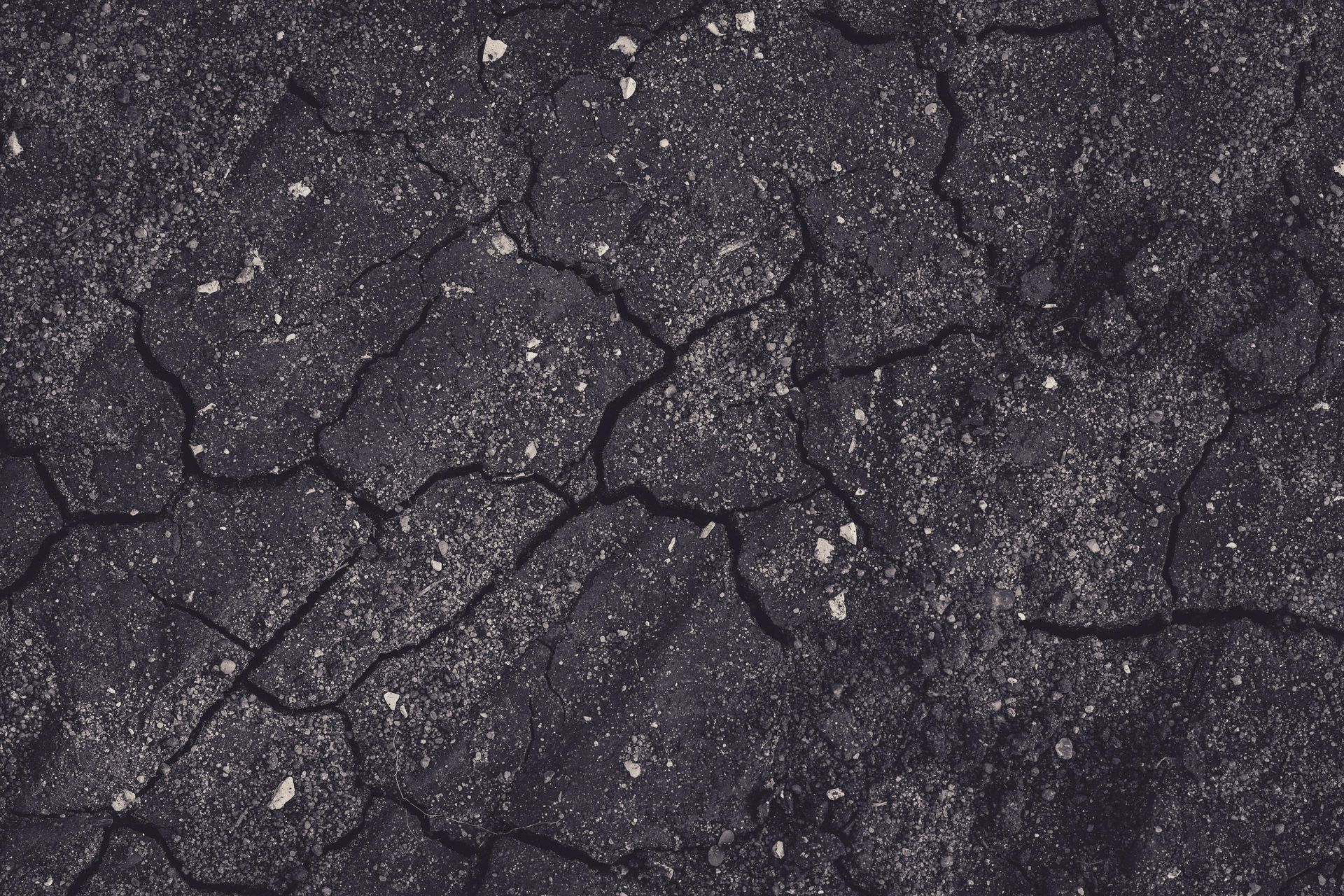
Cracking is one of the easiest pavement changes to notice, especially when property managers make a point of periodically walking the site.
Existing cracks may have widened, while new cracks may have appeared in other sections of the property. Areas with clusters of cracking or more noticeable deterioration deserve particular attention.
The important thing is to avoid letting these changes gradually become part of the scenery. When you see the same pavement every day, it can be surprisingly easy to overlook slow deterioration.
Documenting visible concerns during a fall evaluation can create a helpful reference point for monitoring how the pavement changes over time.
Look for Areas Where Water Collects
Visible pavement damage is only one part of the picture. Fall is also a good time to pay attention to how water moves across the property. Drainage is one of the factors that can affect the lifespan of commercial pavement.
After rainfall, take note of areas where water tends to collect rather than drain away. Pay particular attention to low spots and areas around curbs, drains, and other places where runoff travels.
Looking at these patterns can provide a broader understanding of pavement conditions. An area may not appear severely damaged on the surface, but repeated water collection is still worth noting when evaluating the property as a whole.
Check Striping, Traffic Areas, and Pavement Visibility
Fall pavement evaluations should extend beyond the condition of the asphalt itself.
Take a look at parking-space lines, directional markings, and other painted areas. Faded markings can make a commercial parking lot look worn and obscure the intended layout for drivers and pedestrians.
Pay additional attention to entrances, exits, turning areas, and other high-use sections of the property. The condition of these areas can influence how visitors experience a commercial property. Well-maintained asphalt, clear striping, and safe pavement are contributors to professionalism and property value.
Separate Immediate Concerns From Future Projects
Evaluating your pavement does not mean assuming every crack or worn area requires immediate major work.
Instead, use your observations to prioritize.
Document the condition of different areas across the property. Identify locations that appear to need closer professional evaluation, while also noting less significant changes that can continue to be monitored.
This approach can help property managers distinguish current concerns from potential future projects. It can also provide useful information when planning property maintenance and capital improvements.
Use What You Learn to Plan Ahead
One of the greatest advantages of a pavement evaluation is simply having a better understanding of where things stand.
Regular observations make it easier to recognize changes rather than relying on memory. They also give property managers an opportunity to plan ahead for how pavement needs align with other property priorities.
Taking a closer look at your pavement this fall can help you better understand its current condition and prepare for future maintenance needs.
If you have concerns about a commercial parking lot or paved surface, our team at Leritz Busy Bee Paving can evaluate your property and help you determine the appropriate next steps.
Contact us today!