Common Asphalt Failures in Commercial Parking Lots
Commercial parking lots take a beating every day. From delivery trucks and service vehicles to constant traffic and exposure to the elements, asphalt surfaces are under far more stress than many property owners realize.
While no pavement lasts forever, many common asphalt failures are preventable when you understand what causes them and address issues early.
Below are some of the most frequent asphalt failures seen in commercial parking lots, along with the factors that contribute to them.
Failure: Asphalt Cracking
Alligator cracking gets its name from its web-like pattern, which resembles reptilian scales. This type of cracking is a clear sign of structural failure, not just surface wear.
In commercial environments, alligator cracking is often caused by repeated heavy loads, such as delivery trucks, dumpsters, and service vehicles.
When asphalt isn't designed or supported to handle that weight, often due to an inadequate base, the pavement begins to flex and break apart. Surface patching may offer a temporary fix, but without addressing the underlying structure, the problem will return.
Failure: Rutting and Depressions
Rutting appears as sunken tracks or grooves in high-traffic areas, particularly where vehicles consistently follow the same paths. Over time, these depressions become more pronounced and can hold water, increasing the risk of further damage.
Common causes include poor compaction during installation, insufficient asphalt thickness for commercial traffic, or a weak subgrade.
Rutting isn't just an aesthetic issue: it can also create safety hazards and accelerate pavement deterioration if left untreated.
Failure: Potholes
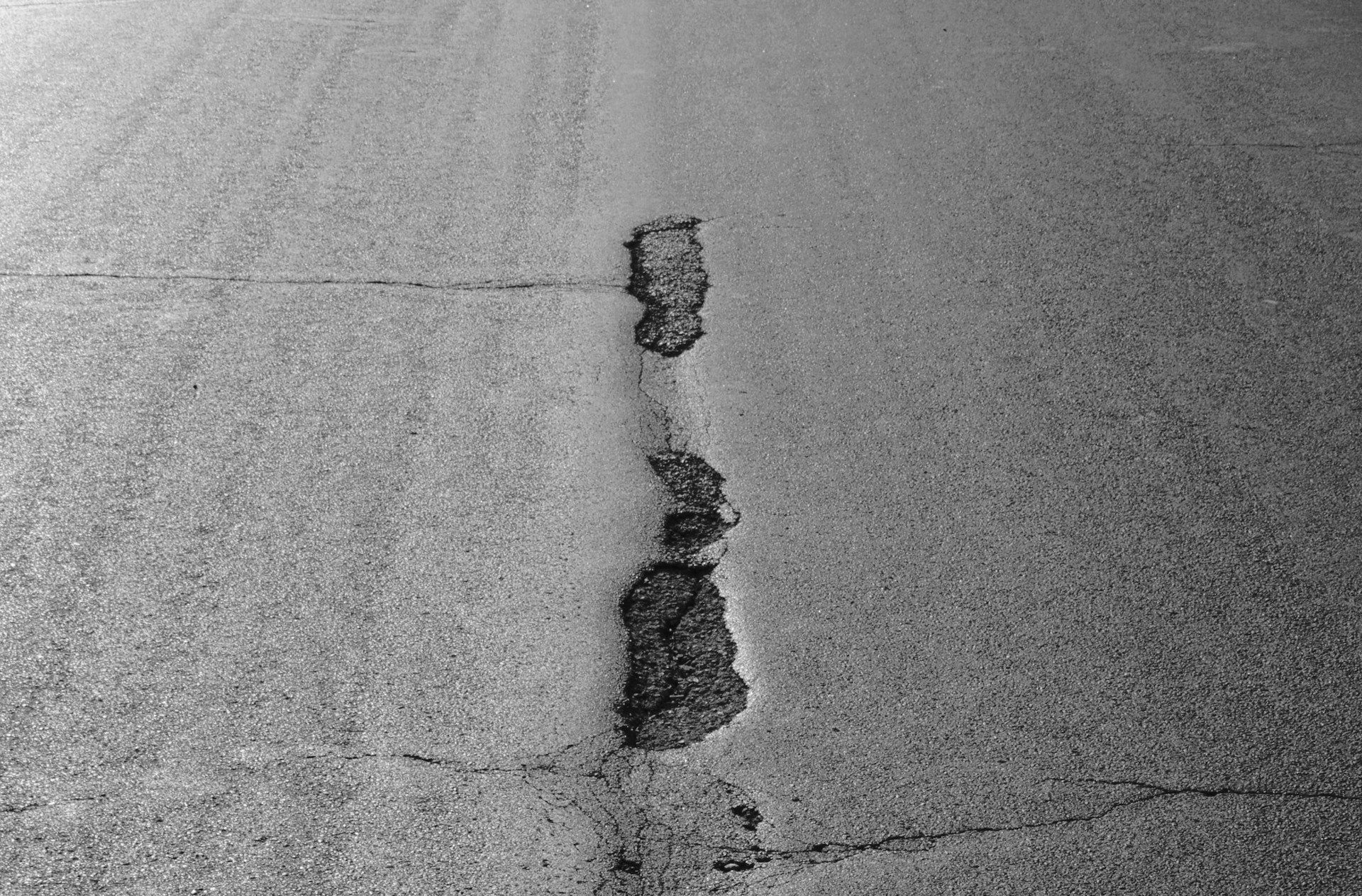
Potholes are one of the most visible and disruptive forms of asphalt failure. They typically start as small cracks that allow water to seep into the pavement.
When temperatures drop, that water freezes and expands, weakening the asphalt. As vehicles pass over the compromised area, chunks of pavement break away, forming potholes.
In busy commercial parking lots, potholes can develop quickly and pose serious safety and liability concerns for property owners.
Addressing cracks early is one of the most effective ways to prevent potholes from forming.
Failure: Edge Failure
Edge failure occurs when the edges of asphalt begin to crack, crumble, or collapse. This issue is especially common in large commercial lots where vehicles may drive or park too close to unsupported edges.
Poor drainage, erosion, and vegetation growth can all contribute to edge deterioration. Once the edges start failing, the damage often spreads inward, leading to more extensive repairs.
Proper drainage design and regular maintenance play a key role in preventing this type of failure.
Failure: Standing Water and Ponding
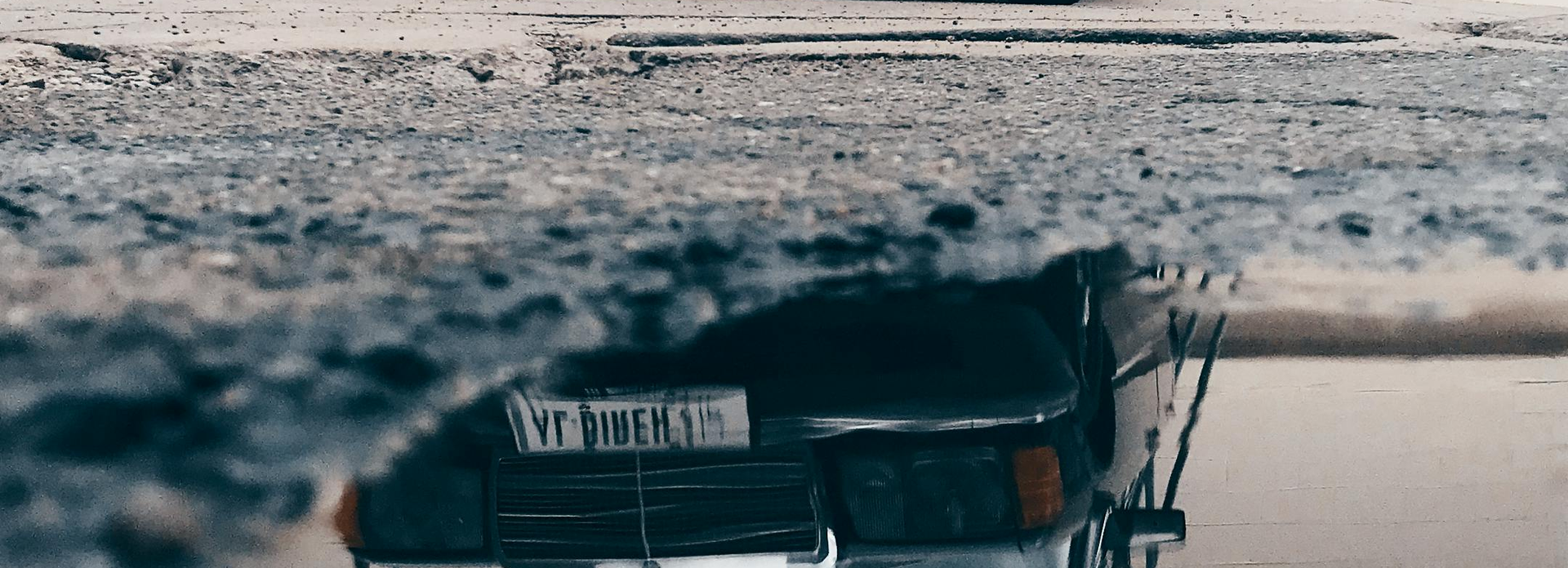
Water is one of asphalt's biggest enemies. When water pools on the surface instead of draining properly, it weakens the pavement structure and accelerates cracking and base failure.
Standing water is usually caused by improper grading, clogged drainage systems, or settling over time. Beyond damaging the asphalt, ponding creates slip hazards and shortens the parking lot's overall lifespan.
Correcting drainage issues early can prevent much larger problems down the road.
Raveling and Surface Wear
Raveling occurs when the asphalt surface begins to lose aggregate, resulting in a rough, worn texture. This often happens as asphalt ages, and the binding agents break down due to oxidation from sun exposure.
Delayed maintenance, such as sealcoating, can accelerate raveling. While it may start as a cosmetic issue, surface wear eventually exposes the pavement to moisture, which can lead to further deterioration if left unaddressed.
Why Early Detection Matters
One of the biggest mistakes commercial property owners make is waiting until asphalt problems become severe. Small cracks, minor depressions, or drainage issues may seem manageable at first, but they often indicate deeper structural concerns.
Early intervention is almost always more cost-effective than major repairs or full reconstruction. Proactive maintenance also helps minimize disruptions to tenants, customers, and daily operations while reducing safety risks.

Reducing the Risk of Asphalt Failure
While some wear is inevitable, commercial property owners can significantly reduce the risk of asphalt failure through routine inspections, timely repairs, and proper drainage management.
Working with a contractor experienced in commercial-scale paving ensures that pavement is designed, installed, and maintained to withstand real-world demands.
Give Leritz Busy Bee Paving a Call
If your commercial parking lot is showing signs of wear or failure, a professional evaluation can help identify the root cause and determine the most effective solution.
Leritz Busy Bee Paving specializes in commercial asphalt projects and can help you plan repairs or maintenance that protect your investment for years to come.
Contact us today, and give your asphalt the care it deserves.