Spring Asphalt Safety: Protecting Kids, Pets, and Property
As spring arrives, communities come back to life. Parks fill with families, school grounds stay busy, municipal facilities see increased foot traffic, and commercial properties welcome more visitors.
With this seasonal shift comes a renewed focus on safety, especially across asphalt surfaces that have endured months of winter wear. For property managers and municipalities, spring is a critical time to identify and address asphalt issues before they become hazards.
Well‑maintained pavement plays an important role in keeping public spaces safe, accessible, and functional as outdoor activity increases.
How Winter Conditions Impact Asphalt
Midwestern winters can be harsh on asphalt surfaces. Freeze‑thaw cycles allow moisture to seep into cracks, expand, and weaken pavement from the inside out.
Snow removal equipment, de‑icing products, and heavy winter traffic can all contribute to surface damage that may not be fully noticeable until spring arrives.
Once temperatures warm, cracks widen, potholes form, and drainage issues become more evident. What began as minor wear during the winter months can quickly become a safety concern if left unaddressed.
Increased Spring Activity Means Higher Safety Risks
Spring brings more people outdoors and more interaction with asphalt surfaces. Parking lots, sidewalks, crosswalks, school zones, park paths, and municipal roadways all experience increased use.
As foot traffic rises, so does the risk of trips, falls, and vehicle damage caused by uneven or deteriorating pavement.
High‑traffic areas demand particular attention. Uneven surfaces, crumbling edges, loose gravel, or depressions can pose hazards not only to drivers but also to pedestrians, cyclists, and those using strollers or mobility devices.
Protecting Children and Pets in Community Spaces
Many shared spaces are designed with families in mind. Schools, playgrounds, recreation centers, apartment complexes, and public parks all rely on safe, properly maintained asphalt surfaces to support daily use.
Children are often less aware of pavement hazards when running, biking, or playing, while pets can be injured by sharp edges, broken surfaces, or exposed gravel. Cracked or uneven asphalt may lead to scrapes, sprains, or falls, especially in busy or high‑energy environments.
Clear walkways, smooth transitions, and well‑maintained surfaces help reduce risk and create safer environments where families can gather with confidence.
Visibility and Organization Matter More Than Ever
Beyond pavement condition itself, visibility is a major component of asphalt safety. Over time, striping and pavement markings can fade due to weather, traffic, and wear.
In spring, when traffic increases, faded lines can cause confusion and increase the risk of accidents.
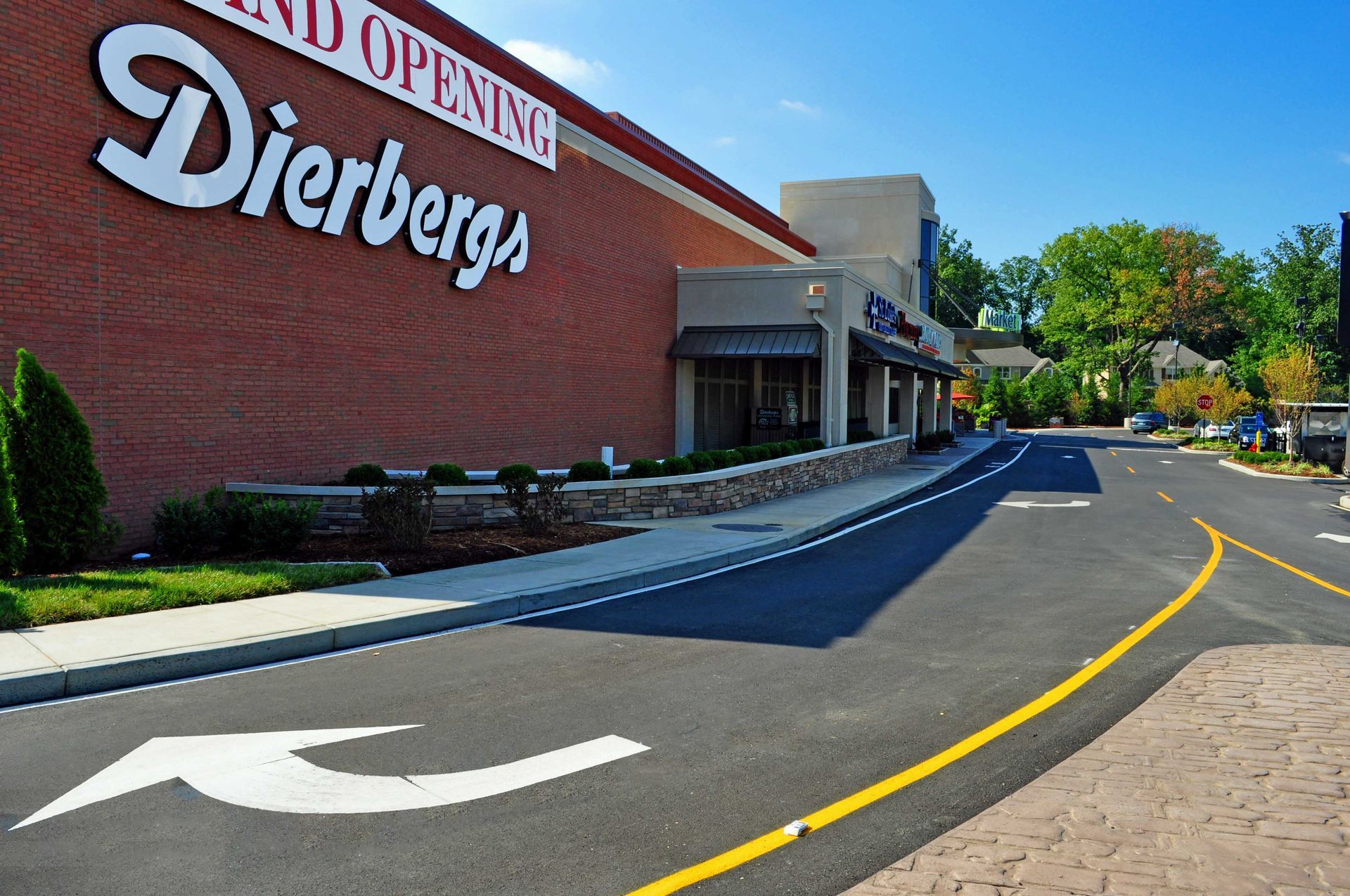
Clearly marked parking spaces, crosswalks, loading zones, and directional arrows help guide both pedestrians and vehicles safely through shared spaces.
These markings are especially important in school zones, medical facilities, and municipal properties where large numbers of people move through each day.
Refreshing pavement markings is a simple way to improve organization and safety without major disruption.
Drainage Issues and Water Accumulation
Spring rainfall can bring drainage problems to the surface. Standing water on asphalt may seem harmless at first, but it can indicate improper grading or underlying pavement damage.
Pooled water creates slippery conditions for pedestrians and can further weaken asphalt, accelerating deterioration.
Addressing drainage issues early helps prevent long‑term damage while improving safety and usability throughout the season.
The Value of Spring Inspections and Preventive Maintenance
Spring is one of the most effective times to assess asphalt conditions. Identifying small issues early allows property owners and municipalities to make targeted repairs before problems grow more costly or dangerous.
Crack sealing, surface repairs, and routine maintenance help extend pavement life and reduce the likelihood of emergencies during peak outdoor months.
Proactive maintenance also supports liability management by addressing hazards before they lead to injuries or complaints.
Rather than waiting for visible failure, spring maintenance sets the stage for safer, smoother operations all season long.
Creating Safer Spaces Through Proactive Care
As communities head outdoors this spring, safe asphalt surfaces help ensure that public and commercial spaces remain welcoming, accessible, and dependable.
From protecting children and pets to supporting daily operations and traffic flow, well‑maintained pavement is a foundational part of a safe environment.
By making asphalt safety a seasonal priority, property managers and municipalities can support safer spaces, protect investments, and create a better experience for everyone who uses them.
Connect with Leritz Busy Bee Paving
Our Leritz Busy Bee Paving team is here to help with your commercial, municipal, and community asphalt needs. We understand how to get the job done safely and on time.
When you trust Leritz Busy Bee Paving with your commercial asphalt projects, you can trust that you will get the best materials and service.
Schedule a consultation with our team of pavement experts today to get started.
Please note that we do not do residential driveways.