How Extreme Summer Heat Affects Asphalt Pavement
Summer heat can be hard on people, vehicles, buildings, and outdoor surfaces. For commercial properties across the Greater St. Louis area, it can also be hard on asphalt pavement.
When temperatures climb, asphalt surfaces absorb and hold heat. Parking lots, drive lanes, roadways, and paved access areas can become much hotter than the surrounding air.
Over time, that heat can affect pavement performance, especially when the surface already has cracks, weak spots, drainage problems, or heavy traffic.
For property owners and managers, understanding how summer heat affects asphalt pavement can help you protect your investment, reduce safety concerns, and plan maintenance before small issues become larger repairs.
Why Asphalt Gets So Hot in the Summer
Asphalt is designed to be strong, flexible, and durable. That flexibility is one reason it performs well for commercial parking lots, private roads, industrial properties, and multi-family communities.
However, asphalt also absorbs heat from the sun.
During long stretches of summer weather, the surface of your pavement can stay hot for hours. Large paved areas with limited shade can experience even more heat buildup.
This is especially common on commercial properties where parking lots, loading areas, and drive lanes receive direct sun throughout the day.
Heat alone does not automatically mean your pavement is failing. A properly installed and maintained asphalt surface is built to handle seasonal temperature changes. The concern comes when extreme heat combines with traffic, age, moisture, and existing damage.
That combination can put extra stress on the pavement and make minor problems more noticeable.
Heat Can Soften the Asphalt Surface
One of the most important ways summer heat affects asphalt is by softening the surface. Asphalt contains a binding material that helps hold the aggregate together. When pavement gets extremely hot, that binder can become more pliable.
On a commercial property, this matters because your pavement still has to support daily traffic. Passenger vehicles, delivery trucks, service vehicles, dumpsters, trailers, and heavy equipment can all place pressure on the surface.
When asphalt is softened by heat, repeated traffic can contribute to surface impressions, depressions, and rutting. Rutting often forms in areas where vehicles repeatedly travel the same path, such as entrances, exits, drive lanes, loading zones, and drive-through areas.
For property managers, these areas deserve extra attention during the summer.
If you notice uneven pavement, tire-path depressions, or areas where water collects after rain, the surface may need professional evaluation.

Heavy Traffic Can Make Heat Damage Worse
Summer heat becomes more stressful for asphalt when the pavement carries heavy or repeated traffic. A lightly used parking area may not show problems as quickly as a high-traffic commercial lot.
Properties with delivery routes, tenant traffic, customer parking, employee parking, or frequent truck movement often experience more wear. When the asphalt surface is hot, repeated vehicle loads can press into weakened areas, worsening existing surface issues.
This is why commercial asphalt maintenance should focus on more than appearance. A parking lot may still look acceptable from a distance, but high-use areas can show early signs of stress before the rest of the pavement does.
Common areas to inspect include:
- Main entrances and exits
- Loading docks
- Dumpster pads and service areas
- Tight turning areas
- Fire lanes and access roads
- Drive lanes near storefronts or tenant entrances
- Parking spaces closest to the building
If these areas show cracking, surface movement, or uneven wear, it may be a sign that summer conditions and traffic are working together against your pavement.
Extreme Heat Can Accelerate Surface Aging
Asphalt naturally ages over time. Sun exposure, oxygen, traffic, and weather all contribute to that process. During the summer, intense heat and UV exposure can speed up surface aging.
As asphalt ages, it may lose some of its rich dark color and begin to look gray or faded. This color change is not just cosmetic; it can also be a sign that the surface is becoming more brittle.
Brittle pavement is more likely to crack. Once cracks form, water has an easier path into the pavement structure. That is where summer heat and Missouri weather can create a bigger problem.
A small crack may not look urgent during a dry week. But when the next heavy storm moves through, water can enter the crack and reach the layers beneath the surface.
Over time, this can weaken the base, contribute to potholes, and shorten the pavement's lifespan.
Summer Storms in Missouri Add Another Challenge
Extreme heat is not the only summer concern for asphalt pavement in the St. Louis region. Missouri summers often bring heavy rain, strong storms, and sudden weather changes.
That matters because heat and moisture can work together. MoDOT has noted that high temperatures, moisture, and weakened pavement can contribute to pavement buckling or "blow-ups" on roadways, especially when moisture seeps into a crack or joint and heat causes the pavement to expand, buckle, or warp.
Commercial parking lots and private paved areas are different from state roadways, but the general lesson still applies:
Water intrusion and heat-related pavement stress are a bad combination.
After summer storms, property owners should watch for:
- Standing water
- New cracks
- Widening cracks
- Soft or uneven areas
- Potholes beginning to form
- Pavement edges breaking down
- Drainage problems near curbs, inlets, or low spots
If water sits on the surface after a storm, it may indicate a drainage issue. If water enters cracks and reaches the pavement base, it can reduce structural support beneath the asphalt. When the surface heats back up, those weakened areas may continue to deteriorate.
This is one reason summer is a smart time to inspect commercial asphalt. Heat can reveal stress, and storms can expose drainage problems.
What Heat-Related Asphalt Problems Look Like
Not every pavement issue looks the same. Some signs are easy to spot, while others develop slowly.
Property owners and managers should look for these warning signs during the summer:
Rutting
Rutting appears as depressions in the wheel paths. It often develops in areas with repeated traffic, especially when the pavement is exposed to extreme heat and heavy loads.
Cracking
Cracks may start small, but they can spread when the surface expands and contracts. Cracks also allow water to enter the pavement structure.
Potholes
Potholes often form when water weakens the base beneath the asphalt, and traffic continues to stress the damaged area.
Shoving or Surface Movement
Shoving can look like ripples, waves, or pushed-up asphalt. It may appear in areas where vehicles frequently brake, turn, or stop.
Faded or Brittle Pavement
A gray, dry-looking surface can be a sign of aging and oxidation. This does not always mean immediate failure, but it can indicate that the pavement needs attention.
Drainage-Related Damage
Low areas, standing water, and pavement deterioration near drains or curbs can point to water management problems.
The sooner you identify these issues, the more options you may have for repair or maintenance.
Why Summer Is a Good Time to Evaluate Your Pavement
Summer is one of the most practical times to evaluate asphalt conditions. The pavement is visible, snow and ice are not covering surface problems, and property managers can see how the surface responds to heat, traffic, and rainfall.
A summer pavement inspection can help you answer important questions:
- Are cracks forming or spreading?
- Is water draining properly after storms?
- Are high-traffic areas showing early rutting?
- Are potholes developing near weak spots?
- Does the pavement need maintenance before fall?
- Should repairs be scheduled before colder weather arrives?
For commercial properties, timing matters. Waiting too long can turn manageable maintenance into larger repair work. It can also create inconvenience for tenants, customers, employees, and visitors.
Planning ahead gives you more control over scheduling, access, communication, and budgeting.
How Property Owners Can Reduce Summer Asphalt Damage
You cannot control the weather, but you can take steps to reduce pavement damage during the hottest months of the year.
Start with regular inspections. Walk the property after hot stretches and after major storms. Pay close attention to high-traffic areas, low spots, drainage paths, and existing cracks.
Keep the pavement clean. Dirt, debris, leaves, and loose aggregate can hold moisture and block drainage. Clean pavement also makes it easier to spot damage early.
Address cracks before they spread. Crack sealing helps limit water intrusion and can prevent minor cracks from becoming larger pavement problems.
Monitor drainage. If water pools in the same area after every storm, the issue should not be ignored. Poor drainage can shorten pavement life and increase repair needs.
Watch heavy-use zones. Loading areas, dumpster locations, and delivery routes often require special attention because they carry heavier loads and greater stress than standard parking areas.
Schedule professional maintenance when needed. A qualified asphalt paving contractor can assess whether your pavement needs crack sealing, patching, resurfacing, or a larger repair plan.
Heat Damage Is a Property Management Issue
For commercial and multi-family properties, asphalt is more than a surface. It affects safety, access, curb appeal, tenant satisfaction, customer experience, and long-term property value.
When pavement begins to fail, people notice. Customers notice potholes. Tenants notice standing water. Employees notice rough drive lanes. Delivery drivers notice difficult access points. Visitors notice whether the property feels maintained and professional.
Extreme summer heat can accelerate pavement wear, but it also gives property owners an opportunity to act. By paying attention during the summer, you can identify problems early and make smarter maintenance decisions.
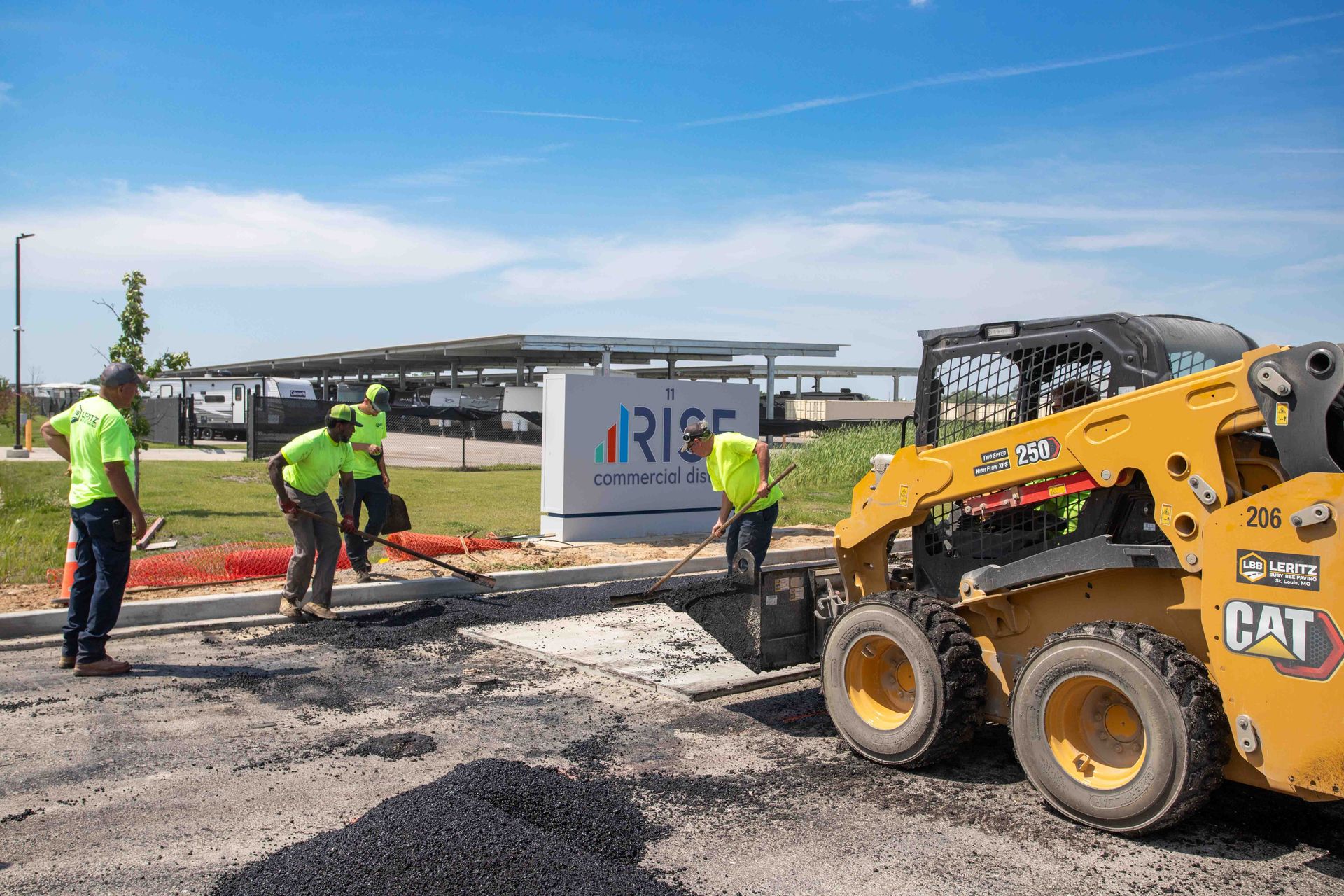
Protect Your Asphalt During St. Louis Summers
Greater St. Louis summers can bring intense heat, heavy rain, and demanding conditions for asphalt pavement. When high temperatures combine with traffic and moisture, small pavement issues can become bigger problems if they are left unaddressed.
If your parking lot, drive lane, or commercial pavement is showing signs of heat stress, summer storm damage, drainage issues, or general wear, it may be time for a professional inspection.
Leritz Busy Bee Paving helps commercial property owners, managers, and contractors plan asphalt solutions built around long-term performance, safety, and minimal disruption.
From pavement maintenance to new asphalt installation, the right approach can help protect your property and extend the life of your paved surfaces.
(Please note that we are a commercial asphalt paver and do not do residential projects.)
Give the
Leritz Busy Bee team a
call today to discuss your pavement needs and find the right solution for your property.